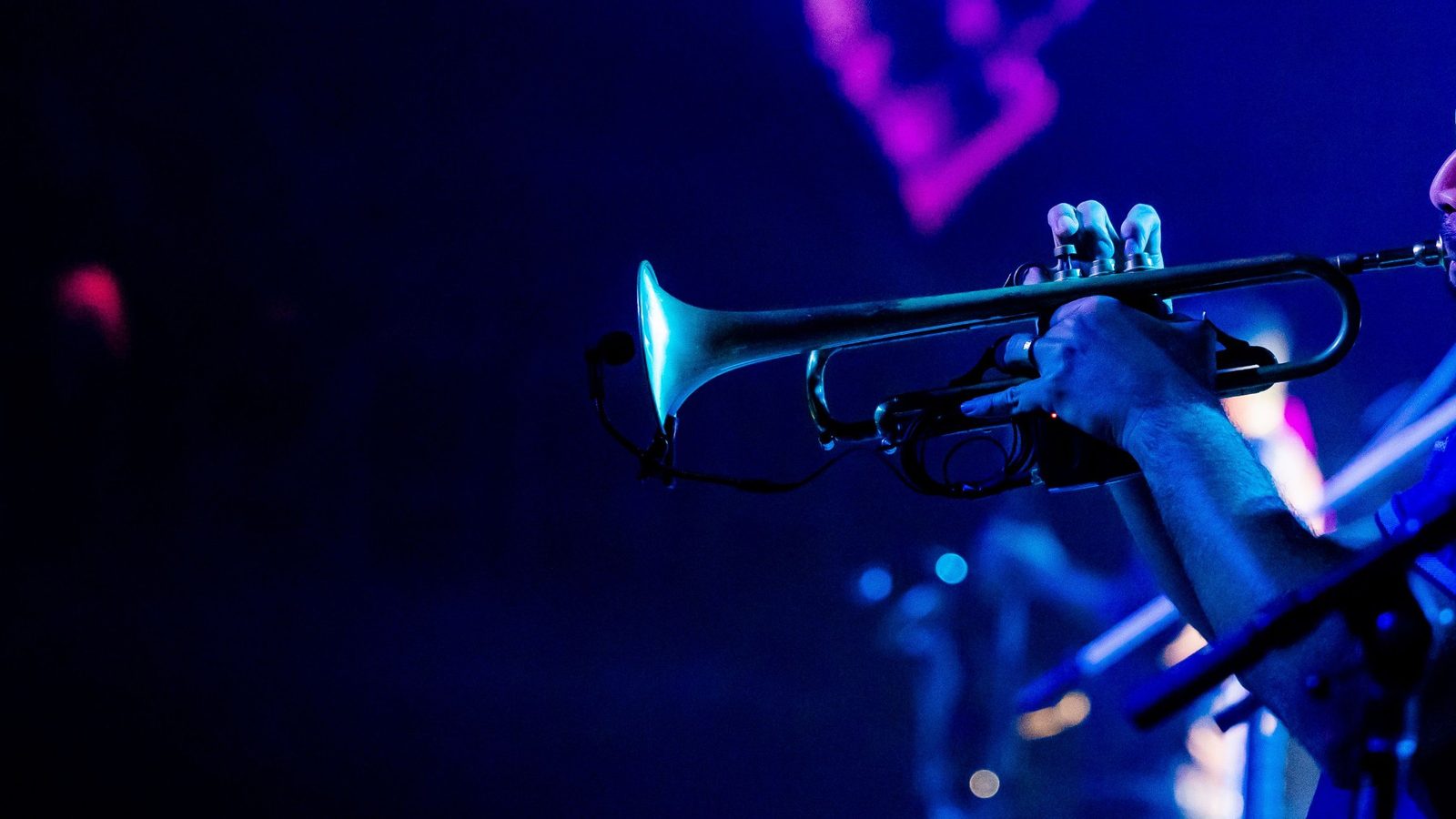
Photo by Caleb Oquendo on Pexels
Curated Music Travel Experiences:
What a Designed Journey Actually Includes
Music travel covers a wide range of trips. There is the ready-made festival trip that puts a ticket in your hand and a hotel room within reach of a shuttle. There is the group tour that moves through a city with a soundtrack and a schedule. There is the long weekend where you book a flight, find a club, and hope the night delivers. All of these can work. None of them are designed.
Curated music travel experiences sit in a different category. They are built rather than assembled, shaped around a particular sound and the rooms where that sound is played, then layered with the meals, the timing, and the rest that make a week feel intentional instead of merely busy. The purpose of this piece is to open the process up and show what is genuinely inside a designed journey, including the parts that never appear on an itinerary.
What "Curated" Means in Practice
The word curated has been stretched thin. In a designed music journey it means a person made decisions on your behalf and can explain every one of them. Which night belongs in which room. Which city earns three nights and which earns a single evening. Which restaurant sits close enough to the club that the walk becomes part of the night rather than an interruption to it.
That is the practical difference. A curated trip is a chain of choices with reasons behind them, not a list of attractions with a driver attached. Festivals are often where these trips begin. The Montreux Jazz Festival, the New Orleans Jazz & Heritage Festival and the Chicago Blues Festival all draw travelers from far beyond their home countries. A designed journey can absolutely orbit a festival like that. The curation lives in the days on either side of the headline night, and in the smaller rooms within the city that a general itinerary would never reach.
not a list of attractions with a driver attached.
Ready-Made Festival Trip Versus Designed Journey
The distinction is easier to see side by side. Neither column is a criticism of the other. They simply answer different questions, and knowing which question you are asking saves a great deal of money and disappointment.
| Element | Ready-made festival trip | Designed music journey |
|---|---|---|
| The anchor | A ticket and a hotel block | A sound, a city, and the rooms where that sound is played |
| Who makes the decisions | A product team, for a group of strangers | A designer, for you, with your preferences in the room |
| The days around the event | Open, or filled with general sightseeing | Designed as part of the trip, with rest placed where it belongs |
| Food and evenings | Optional add-ons | Integrated, and timed against the music |
| Scale | Many travelers on one schedule | Private, one itinerary, one party |
| The measure of success | The event happened | The week felt like it belonged to you |
The Anatomy of a Designed Journey
A finished itinerary looks simple. That is the point. The complexity sits underneath, in the decisions that were made and the ones that were deliberately left out. These are the layers that shape the trip.
Venue Selection Built Around Your Ear
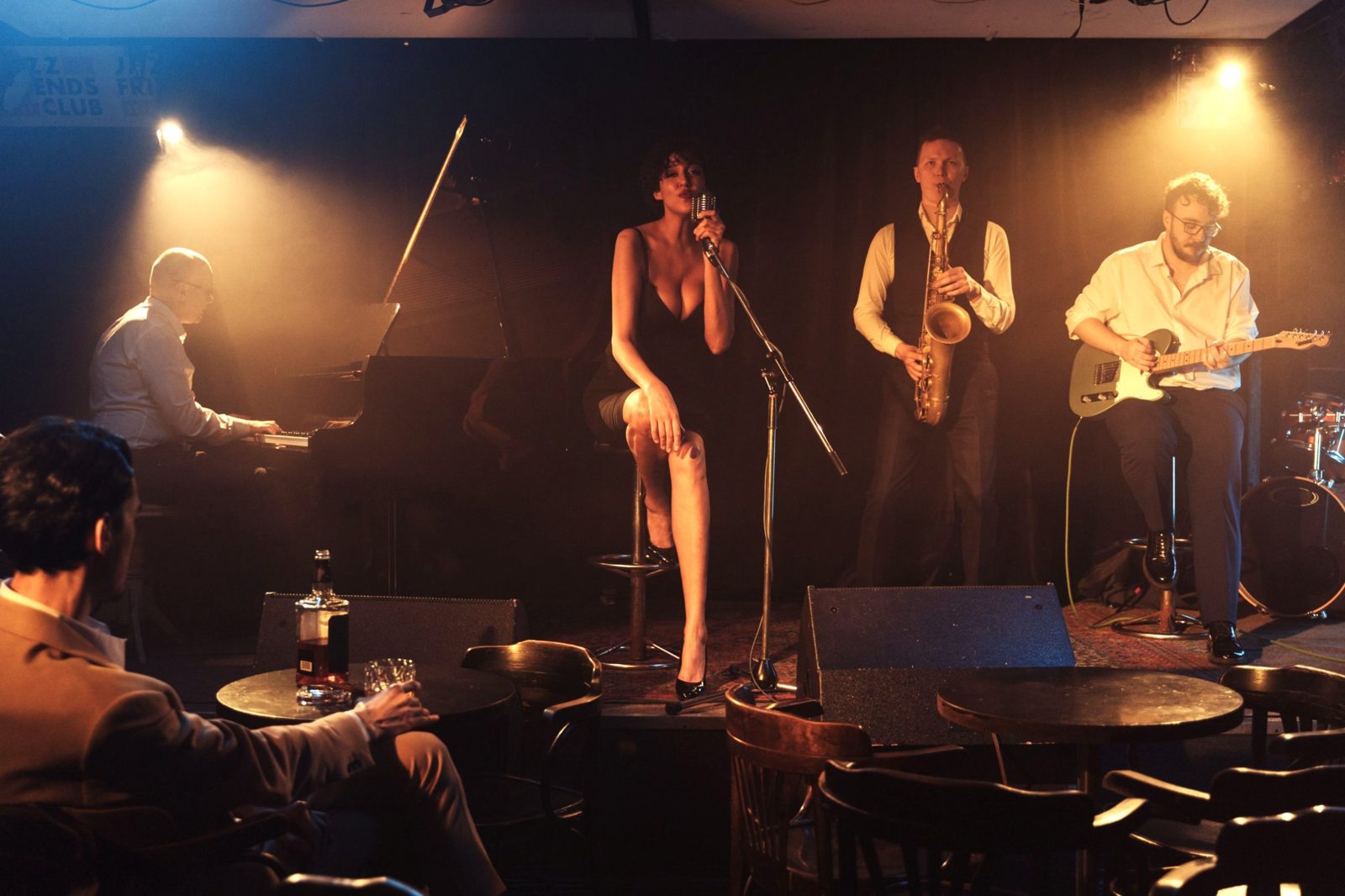
Genre is the starting point, not the finish line. Jazz and blues alone branch into bebop, cool jazz, Delta blues, Chicago blues and a dozen sub-genres that put very different people in very different rooms. Soul, R&B, funk and neo-soul carry their own geography. A designer listens to what you actually return to, then matches that to venues with the right size, the right crowd and the right relationship between the stage and the bar.
The working idea is a short list of rooms we love, kept across genres and cities, and revised as those rooms change. A room that was right two years ago may not be right now. Curation includes the discipline of checking.
Timing Shaped Around Nights, Not Days
Music travel runs on an unusual clock. The day is preparation and the night is the event. A designed schedule respects that. It protects the afternoon before a long evening. It avoids stacking two demanding nights back to back when a quieter one would serve the trip better. It leaves room for the thing nobody planned, which is often the thing you talk about afterwards.
Most travel is designed around daylight. A music journey is designed around when the music starts and how long you will want to stay.
Tables, Rooms and Hotels Set Inside the Evening
Dinner is not an afterthought in a designed journey. It is part of the arc. The restaurant is chosen for its distance from the venue, its pace, and whether it suits a long conversation before a set or a quick plate between two of them. The hotel is chosen the same way: close enough that the walk home after the last set feels like part of the night. Nightlife is designed as a sequence rather than a list.
Cities Chosen to Follow the Sound
The route has to make musical sense. New Orleans, Chicago, Memphis, Detroit, Kansas City, Montreal, Toronto, London, Paris, Montreux and Havana each carry a distinct inheritance, from bebop and Delta blues to Motown, neo-soul and funk. Pairing the wrong city with the wrong obsession produces a trip that looks correct on paper and feels hollow in the room. AfterT8ste works across a rotation of 21 cities, and a designed journey narrows them to the two or three that fit your ear.
The Five-Step Design Process
Curated work needs a shape, or it becomes a series of pleasant conversations that never produce a trip. This is the sequence AfterT8ste works through, and it is worth understanding if you are comparing providers, because the shape of the process tells you how much attention you will actually receive.
- Inquiry. You tell us roughly what you are chasing: a city, a festival, a genre, a milestone worth marking. Nothing needs to be decided yet.
- Conversation. A real discussion about how you listen, what you have loved, what disappointed you, who is traveling, and how much pace you can honestly sustain. Everything is captured in a written brief.
- Proposal. The scope, fee and timeline are set out clearly in writing and agreed before any design work begins.
- Design. The itinerary is built venue by venue and night by night, with restaurants, hotels and rest placed around the music. You see a draft first, revisions happen here rather than mid-trip, and you receive the final itinerary with the reasoning visible, researched costs, and where to book each part.
- The journey. You book and pay for your flights, hotels and tickets directly, so every reservation stays in your name and under your control. Then you travel, with the whole week designed around the music.

Who This Kind of Travel Suits
Designed music travel tends to attract people who have already traveled a great deal and no longer find a generic itinerary satisfying. They tend to be experienced listeners, often with a deep attachment to one tradition, and they value access, curation and personal attention above a discount. They measure a city by its sound.
It also suits travelers who know what they do not want. A week of enforced group activity. A schedule built for the average person. An evening that ends at eleven because the coach leaves then. If that sounds familiar, the design work is doing something you will notice.
What Curation Does Not Promise
Honesty belongs in the description. A designed journey does not guarantee entry to a sold-out show, and any provider implying otherwise should be questioned. It does not make a room feel intimate when the room is full. It cannot control the night a favorite artist cancels, or the weather, or the way a city feels on a particular evening.
What it can do is reduce the number of decisions you make while tired, in an unfamiliar city, with a phone in your hand. It can put you in the right room on the right night more often than a search engine will. And it can be revised when something changes. Anyone offering certainty about live music should be treated with caution, and travelers should always confirm festival dates, lineups and venue details with official sources before booking.
What makes a music trip curated rather than simply booked?
Curation means choices were made for you with a reason attached to each one. Which night in which venue, which city gets a longer stay, how dinner sits against the set time. A booking confirms what you asked for. A designed journey proposes what you did not know to ask for and can explain why it belongs in your week.
Does AfterT8ste book the trip for me?
No. AfterT8ste designs and directs the journey, then gives you everything you need to book it yourself: each recommendation, its researched cost, and where to buy it. You book and pay directly, so every reservation stays in your hands.
Do I need deep knowledge of jazz or blues to enjoy a designed journey?
No. Curiosity is enough. The design process starts with a conversation about what you already love, which might be soul, funk, R&B or nothing more specific than the feeling of a good room. The genre expertise sits on the designer's side of the table, not yours.
Can a designed journey be built around a single festival?
Yes. Festival travel is one of the most common starting points, from large international events to smaller gatherings with a devoted following. The design work then focuses on the days before and after, the rooms worth visiting in the same city, and how to pace the trip so the festival is a highlight rather than the entire story.
Can a design be just one evening rather than a full trip?
It can. A single designed evening is a legitimate request, particularly in a city you already know but have never fully heard. The same process applies at smaller scale: a conversation, then a proposed sequence of dinner, music and a nightcap, set out so the evening belongs to you rather than to logistics.
If you are thinking about a journey built around the music you love, AfterT8ste designs exactly this kind of experience. You can see the kinds of journeys we create on our Experiences page, or start the conversation through Work With Us.
Jay, AfterT8ste